Rubbish Collection in Docklands for Homes, Offices and Trade Waste
Rubbish Collection Docklands provides rubbish collection in Docklands for customers who need practical removal of everyday waste, bulky items and site waste without the hassle of doing it themselves. The service is centred on straightforward collections that help clear space, reduce clutter and move material on to the right disposal route. If you need a one-off uplift or a more considered clear-out, the aim is to make the process clear from the start.
Our work covers a broad mix of domestic and commercial rubbish, from general household items through to waste generated by refurbishment, garden work or office changes. The service is not about vague promises; it is about matching the collection to the type of load, the access available and the amount to be removed. For a fuller view of the range, see the services overview or read more about waste removal in Docklands.
Many customers want a simple next step: describe what needs collecting, understand what can be taken, and request a quotation. You can do that by using the pricing and quotes page when you are ready. If you are comparing options first, the prices page is also available for a closer look at how the service is presented.
Household Rubbish Collection and Property Clearances
Domestic collections often involve items that have built up gradually: broken furniture, mixed bagged waste, boxes, old appliances, and general clutter that no longer serves a purpose. The value of a professional collection is not only removal, but also a sensible approach to sorting what can be lifted together and what needs separate handling. Our house clearance in Docklands service is suited to larger household clear-outs where several rooms or stored areas need attention.
For smaller domestic jobs, the work may focus on quickly clearing a single room, loft, shed or storage space. For more involved projects, there may be items with different disposal needs, such as furniture, textiles, electricals or mixed household waste. Careful handling matters because it reduces disruption and helps keep the collection orderly. If you are arranging a wider clear-out, the information on rubbish collection in Docklands gives a useful general starting point.
Builders Waste and Refurbishment Debris
Building work creates a different sort of waste from ordinary household clutter. It can include timber offcuts, broken masonry, plasterboard, packaging, old fittings and a mix of light and heavy debris. That is why a builders waste collection needs to be planned around the material type as well as the volume. Our builders waste disposal in Docklands page sets out the main service area for this kind of work.
The key decision is often whether the material is fairly uniform or whether it is a mixed load from several stages of a job. Mixed waste takes more thought because it may contain recyclable material, reusable packaging and items that need distinct disposal routes. Good site clear-up also supports safer movement around the property, especially where access routes are narrow or shared. A clear, accurate description of the material makes quotation easier and helps the collection match the job more closely. Trade waste should be described as precisely as possible so the right vehicle and lifting approach can be considered.
Office Clearance and Commercial Rubbish
Office clearances require a different approach again, because the work often involves furniture, filing, fixtures, redundant equipment and day-to-day waste accumulated across desks, cupboards and storage areas. Our office clearance in Docklands page is relevant where a business needs items removed from one room, a whole suite or a changing workspace. The aim is to keep the collection practical and manageable for the premises involved.
Commercial rubbish can also include mixed items from shopfit, relocation or routine premises changes. It is often helpful to think in categories: what is bulky, what is reusable, what is confidential, and what should simply be removed from site. Sensible handling of office waste supports an orderly handover or reset of the space. If your enquiry is broader than one type of item, the general waste removal page can help you describe the job in plain terms.
When you are preparing a quotation request, one short list is enough if it covers the essentials: the kinds of items, where they are located, whether access is straightforward, and whether the collection is part of a move, refurbishment or clear-out. Clear details save time and reduce the chance of back-and-forth before the job is assessed. If you have photographs or a written inventory ready, they can support the description, but they are not a substitute for a proper summary of what needs taking away.
Garden Waste and Outdoor Clear-Up Work
Outdoor waste is often lighter than building rubble but more varied than people expect. It may include branches, hedge cuttings, soil in limited quantities, broken fencing, plant pots, bags of green waste and weathered items from sheds or patios. Our garden waste removal in Docklands service is a practical option where the garden, yard or external space needs clearing rather than reworking.
Choosing the right collection depends on whether the material is mainly green waste or a broader mix of outdoor clutter. A neat pile of cuttings is simpler to assess than a mixed load containing timber, metal, plastics and soil, so it helps to separate what you can before the collection. That said, the service is designed for real-world jobs where waste has already become mixed. If you are considering whether a site needs one visit or several, the best starting point is to describe the heaviest and most awkward items first.
About Docklands
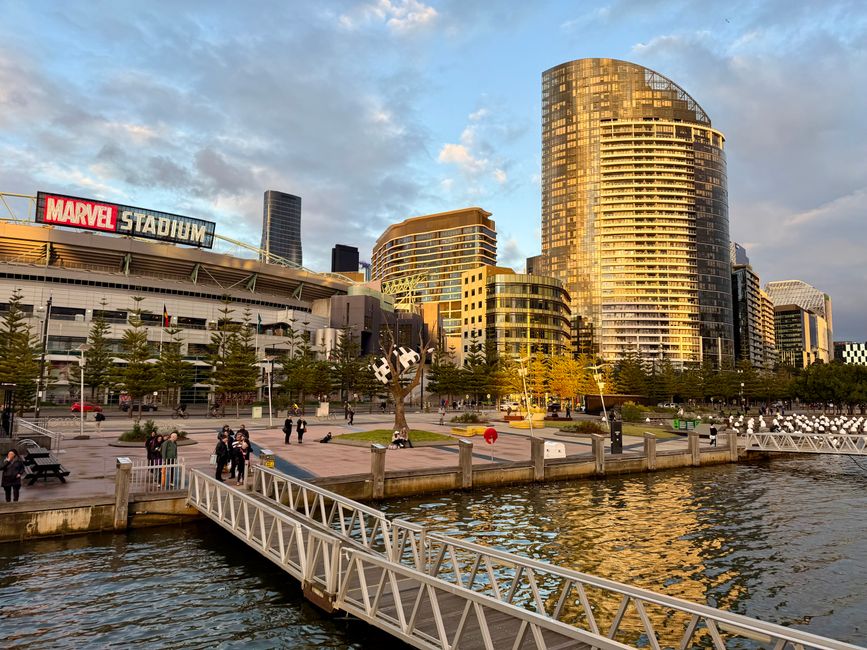
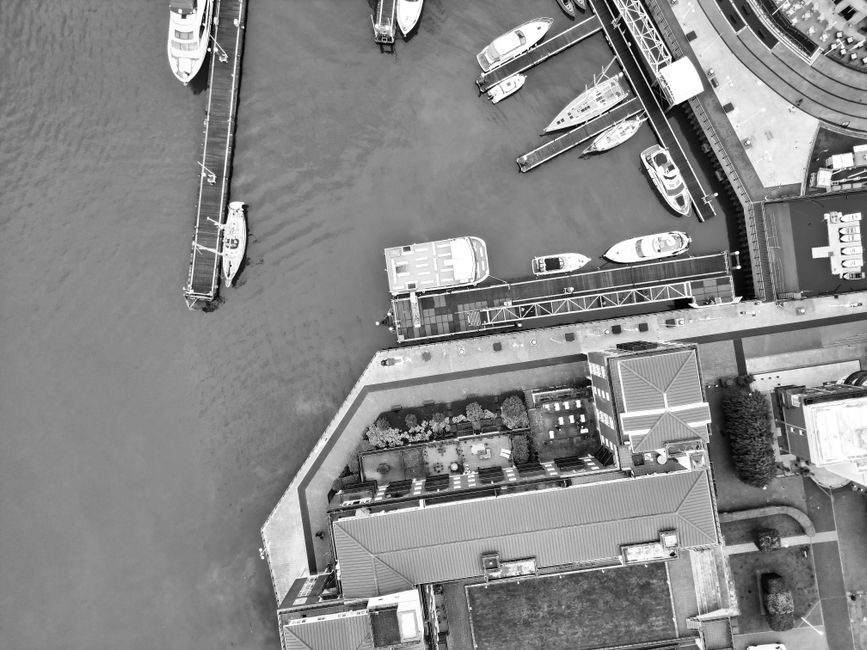
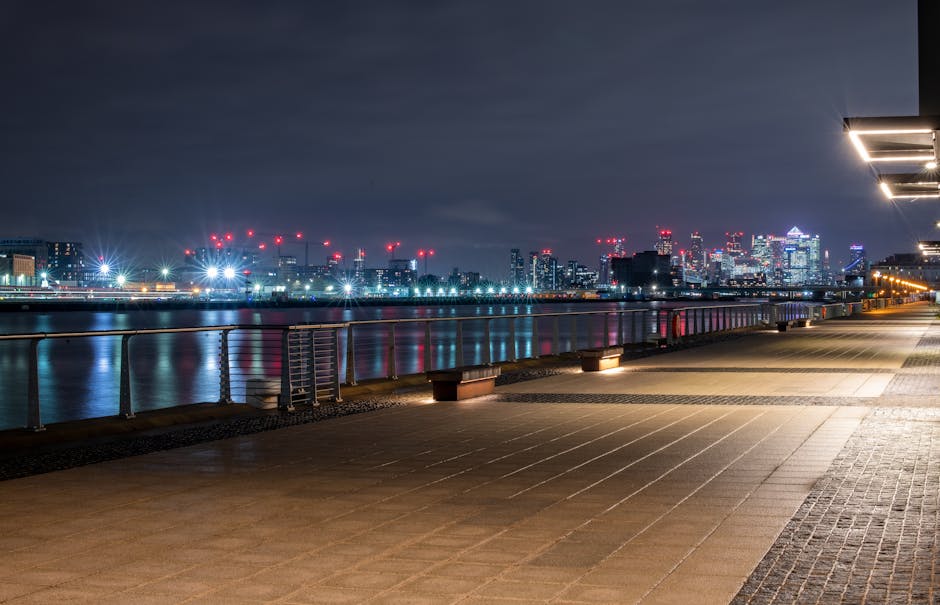
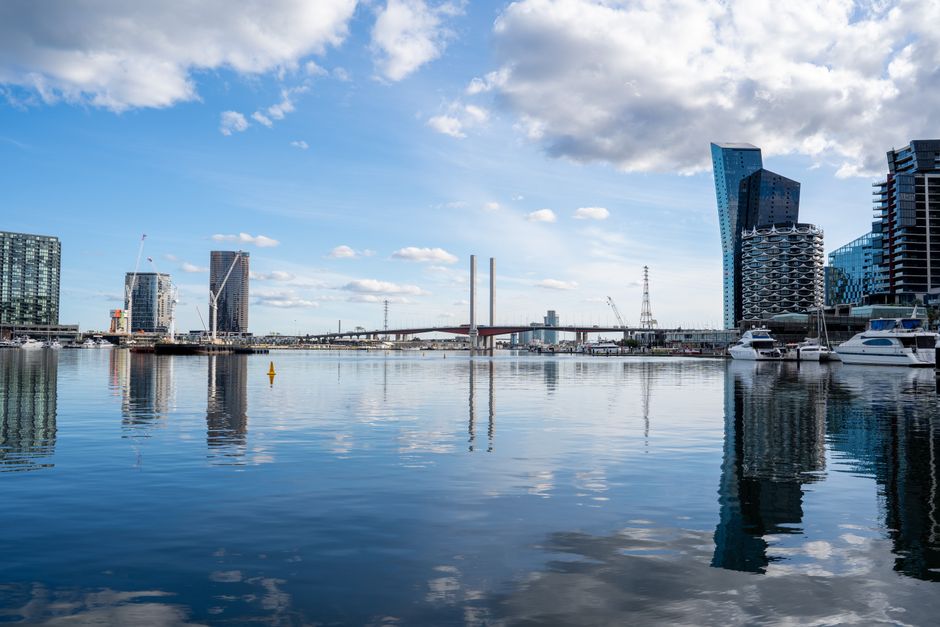
Docklands is a riverside district in east London with a history shaped by maritime trade, docks, warehousing and large-scale regeneration. Much of the area once formed part of the working Port of London, and the modern landscape still reflects that past through waterways, wharves, basins and converted industrial sites. The name now covers a broad collection of neighbourhoods rather than a single compact quarter, and its character changes from place to place. Canary Wharf stands out for its towers and business streets, while other parts retain more of the dockside layout, with canals, footbridges and open water making the geography highly distinctive. The area has been transformed over recent decades, but older layers remain visible in names, routes and surviving structures. West India Quay, for example, recalls the trading history of the docks and is still recognised as one of the best-known historic reference points. The waterways and basins give Docklands a landscape unlike most inner London districts, with long views, reflective water and a mixture of public walkways and commercial frontages. Alongside the built environment, the area has developed a strong modern identity through shopping, transport links, waterside living and business use. This combination of old and new is central to how Docklands is understood today, making it both a place of continuing change and one with a very specific historical foundation.
Pricing, Access and What Helps a Quote
Quotation work is usually clearer when the main facts are set out in a simple way. The size of the load, the type of waste, access to the property and any need for manual handling all influence how the collection is approached. A single bulky item is very different from a mixed clear-out spread across several rooms, and outdoor or basement access can change how the job is managed. That is why accurate descriptions matter more than general phrases like “a bit of rubbish”.
It is also useful to think about separation and sorting before you request a price. If your load includes furniture, bagged waste, white goods or trade debris, note that distinction plainly. If there are items you want kept aside, say so at the start. Being specific helps the quote reflect the actual work, and it avoids assumptions about what will be included. For customers who want to read the wider pricing information first, the pricing and quotes page is a sensible next step before making contact.
Request your quotation when you are ready, and keep the description direct. If the collection is for a home move, office change, garden tidy or building project, mention that context in the same message so the job can be understood as a whole. You can also use the contact us page to send your request for rubbish collection in Docklands today.
Working Methods, Recycling and Practical Disposal
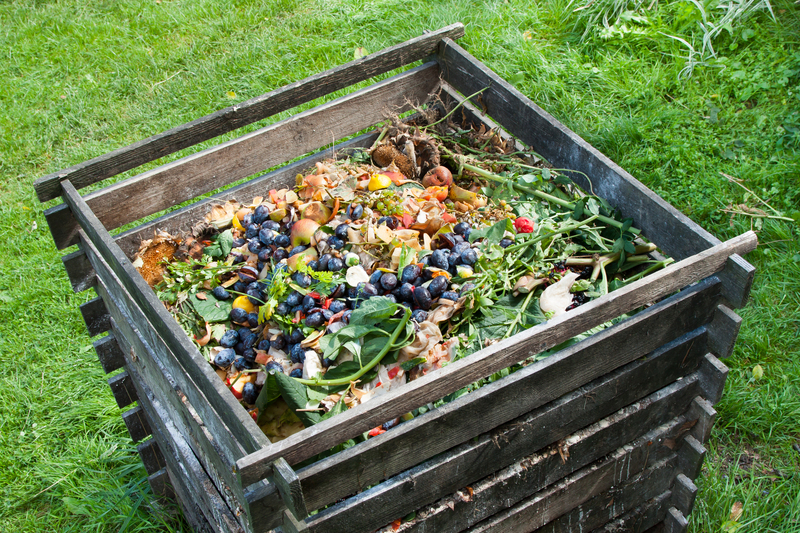
A good rubbish collection service is not only about taking material away; it is also about handling the load in a responsible way once it leaves the property. Different waste streams often need different treatment, and a thoughtful approach helps keep recyclable items separate from general refuse where possible. Our recycling and sustainability page explains the general direction of travel for this part of the service, including why sorting matters.
Practical disposal is especially important where the load contains mixed materials from domestic, office or trade sources. One visit may include cardboard, furniture, metal fittings, garden waste and bags of general rubbish, so the collection has to be organised rather than rushed. The more clearly the items are described, the easier it is to plan their removal in a tidy and efficient way. This is also the point at which customers often decide whether they need a straightforward collection or a more complete clearance service.
Service Information, Safety and Next Steps
Some customers prefer to review the wider service information before asking for a quotation. That can be helpful if you want to understand the main options available for domestic, office or builders waste, or if you are deciding between one-off collection and a broader clearance. The services overview page is a useful place to begin when you want the broader picture in one place. It can also help you think about the most accurate way to describe your job.
Practical and safe handling are important in any rubbish collection, especially where large, awkward or heavy items are involved. If you are comparing what needs moving, it helps to focus on the items themselves rather than the room names alone. A short message with the main item types, access notes and preferred timing is often enough to start the quotation process. Keep the description grounded in what is actually there, and add any special handling points that matter to the collection.
If you are ready to move forward, send your details through the contact us page and ask for a quotation for rubbish collection in Docklands.